
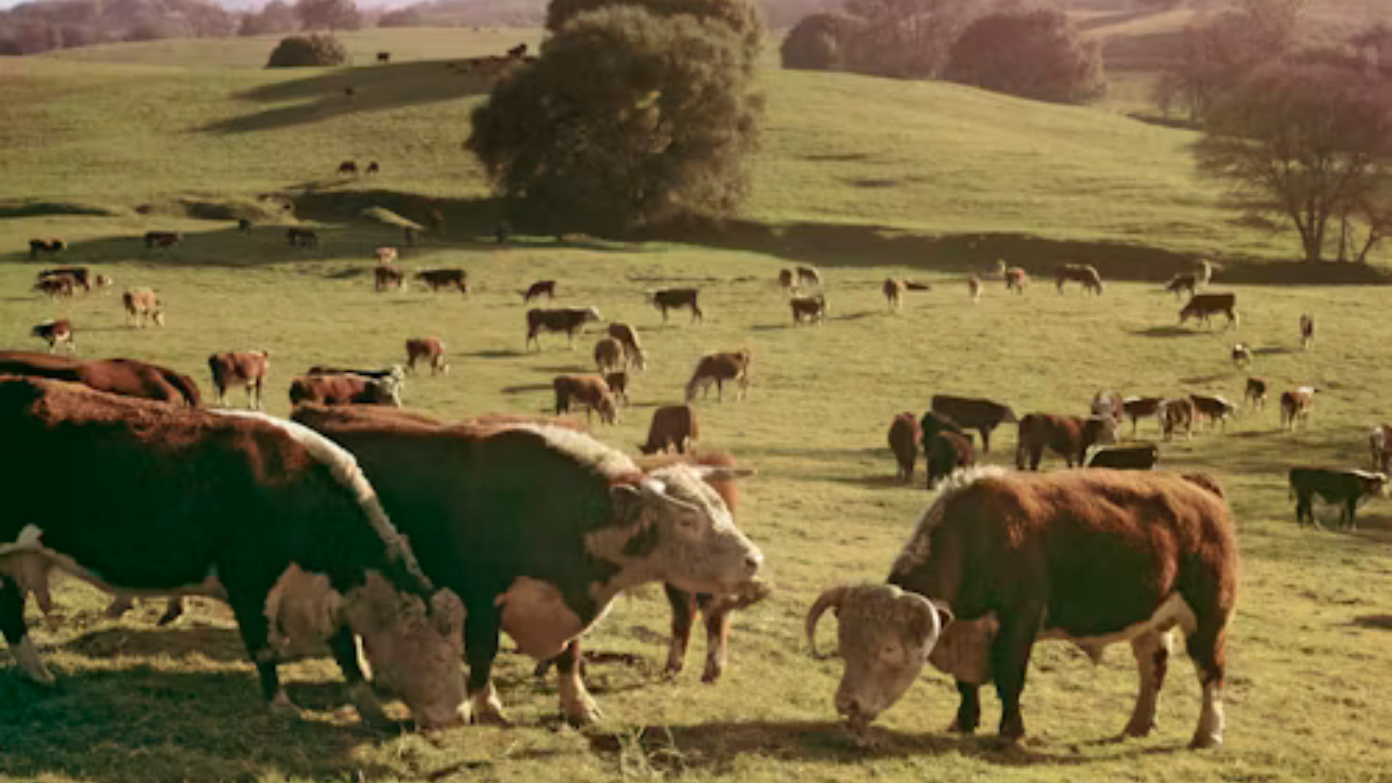
President Donald Trump’s bold plan to import Argentine beef has run into serious complications as his own government is sounding alarms about foot-and-mouth disease while possibly still pushing ahead with the plan. Agriculture Secretary Brooke Rollins disclosed Tuesday that the Trump administration is “in discussions with Argentina” on enhanced beef imports, but conceded that the country has a “foot-and-mouth disease issue” that would restrict the amount of meat the United States might be able to accept.
This declaration creates a puzzling contradiction in the administration’s policy itself, in which the officials threaten risk of disease while remaining amenable to the progression of the import proposal. Trump initially declared on Sunday that the United States can purchase “some beef” from Argentina so as to help cut record-high beef prices that have climbed about 15 percent so far this year, and they are almost $7 a pound.
Explaining the import strategy
Trump’s suggestion to import Argentine beef is part of his administration’s overall initiative to help Argentina, which has benefited from considerable financial aid from the United States. The administration only recently unveiled a $40 billion economic assistance package for Argentina, featuring a $20 billion currency swap finished by Treasury Secretary Scott Bessent this week. Trump has described Argentina as “fighting for its life” and used the nation’s economic woes to make the case for the aid and the beef import option.
The government places the beef import plan as an anti-inflation item and supermarket price-reducing tool for American shoppers who have seen record-breaking meat price hikes. USDA projections place U.S. beef consumption at approximately 125 million metric tons a year, of which approximately 2 million metric tons is imported. In a X post, Senator Deb Fischer said, “Since hearing the president’s comments suggesting the U.S. would buy beef from Argentina, I’ve been in touch with his administration and my colleagues to seek clarity and express my deep concerns.
I’ve also been sounding the alarm on the bleak state of our ag economy and the negative impacts facing Nebraska’s ag industry—the economic driver of our state.”
Industry opposition and disease worries
The plan has generated intense criticism from American ranchers and farm groups that historically back Republican efforts. The National Cattlemen’s Beef Association decried the plan as “a betrayal of the American rancher” and noted that “this plan only creates chaos at a critical time of the year for American cattle producers, while doing nothing to lower grocery store prices.”
Critics pointed out Argentina’s past experience with foot-and-mouth disease, which can cause catastrophic damage to United States livestock farming if it is brought into the country. While Argentina last had an outbreak in 2006, and the World Organisation for Animal Health recognized Argentina as a “FMD-free zone with vaccination” earlier this year, its past risk continues to be a valid concern for biosecurity authorities.
Trade imbalance and economic impact
Farm organizations also expressed concerns regarding the extremely skewed trade relationship between the United States and Argentina. Over the past five years, Argentina has exported more than $801 million of beef to the United States, but the United States has sold only around $7 million worth of American beef to Argentina. This can serve as a reflection of how the expansion can continue to disadvantage American producers.
The plan is also counter to Trump’s stated philosophy of prioritizing domestic production with protectionist tariffs. Ranchers, who had just entered a period of profitability after a few years of drought and low prices, were concerned that government action would damage their turnaround. The American cattle herd is approximately 94.2 million, the lowest in total since 1951, so it is a critical juncture to revive the industry.
Political opposition emerges
Even Republican legislators have been distancing themselves from the plan. Senator Deb Fischer from Nebraska said she had “serious concerns” about the proposal, saying that government involvement in pricing beef would be harmful to American cattle ranchers and that this was “not the right solution.” With Rep. Mike Flood also seconding her argument stating, “Senator Deb Fischer is right. America has the best beef in the world.”
Market analysts noted Argentina accounts for approximately 2 percent of American imports of beef and doesn’t have sufficient production capacity to affect domestic prices significantly. A number of traders estimated doubling imports from Argentina would have minimal impact on beef prices in supermarkets.
As the Trump administration continues to bargain with Argentina, the administration is under pressure to balance its disease-risk warnings with its seeming commitment to proceed with expanded beef imports. The resolution of this dichotomy will significantly affect American ranchers and consumers in the coming months.
Read more: What happened to the U.S. economy during previous government shutdowns
Read more: 100,000 federal workers to leave this week: what we know
Read more: What are the new H-1B rules that President Donald Trump has announced
